
Research and Expertise
At Aceso Psychology, my approach is grounded not only in my experience of applied practice, but in two decades of research into how people stay motivated, resilient, and well. After over 100 scientific papers and 20 years of research, my work has explored how mind, body, and environment interact — across sport, work, and everyday life — to shape performance, recovery, and mental health. Much of this research has been funded by Defence, government, and health agencies, and has helped shape national strategies in wellbeing, readiness, and sport psychology.
Below are a few of the key areas that inform how I work with clients today.
Advancing the Science of Wellbeing
-

Resilience and Mental Health
How do people sustain focus, confidence, and wellbeing under pressure? This line of research has examined resilience in contexts ranging from Defence personnel to elite athletes. It includes work evaluating the Australian Defence Force’s mental health strategy and developing tools like the Acute Readiness Monitoring Scale (ARMS) — a daily check-in measure for cognitive and emotional readiness. We also generated new understanding of how human cognition is affected by changes in heat/cold, altitude, fatigue, sleep, and nutrition.
In practice: These insights help clients recognise their own signs of overload, understand how stress builds and releases, and apply practical ways to recover clarity and control
-
Motivation and Performance
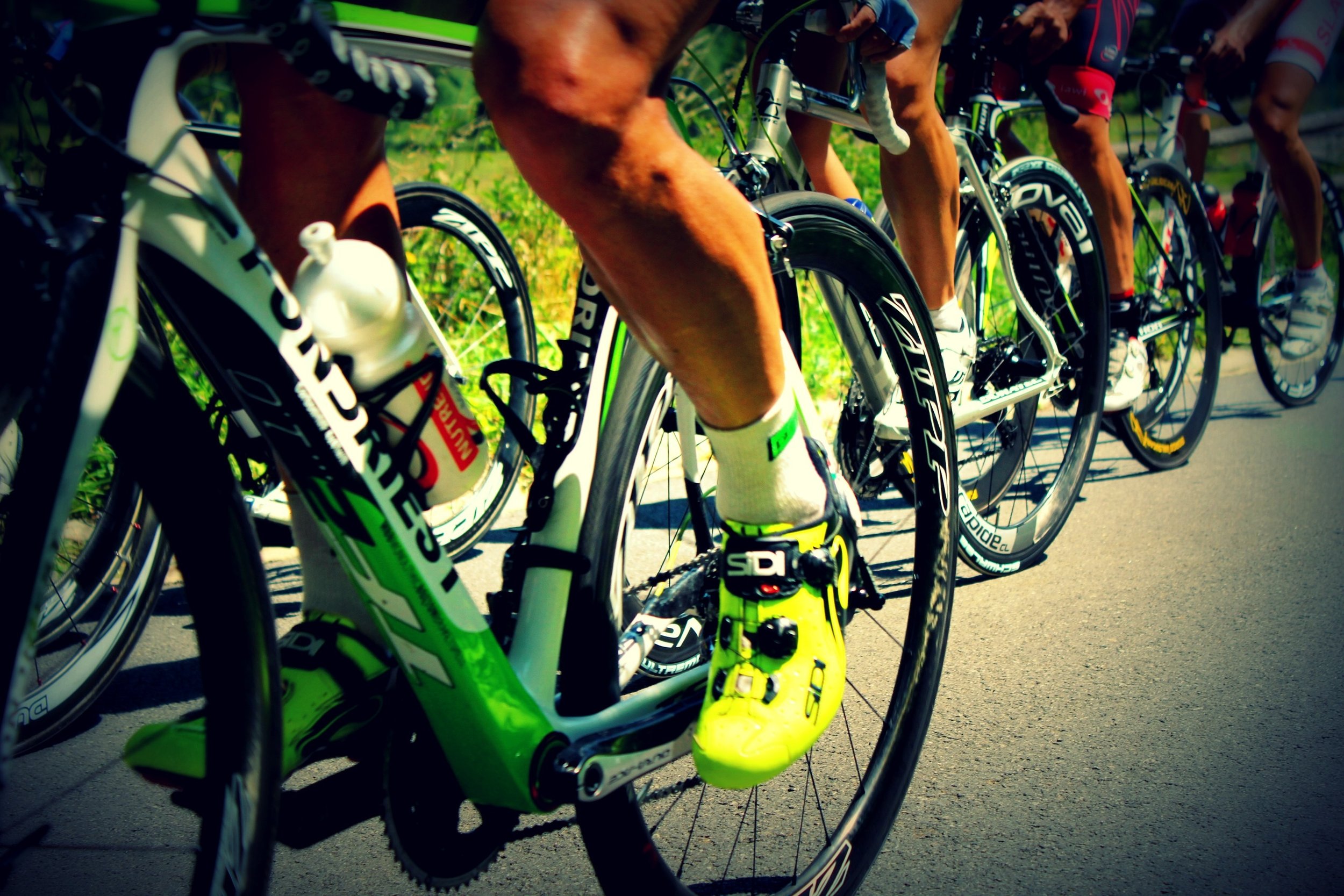
What truly drives sustained motivation and excellence? My research has examined how coaches, parents, leaders, and peers shape the motivation of performers, and learners. This work has helped identify the specific conditions that fuel persistence and enjoyment, as well as those that quietly undermine confidence and wellbeing.
Over the years, I’ve expanded this work into exploring how motivation interacts with stress, fatigue, and self-regulation. This research continues to inform programs designed to build healthy, high-performing teams.
In practice: Whether in sport, work, or personal growth, this understanding helps clients (and leaders) create environments where effort feels meaningful, progress is visible, and confidence can rebuild.
-
Physical Literacy, Somatics, and Wellbeing
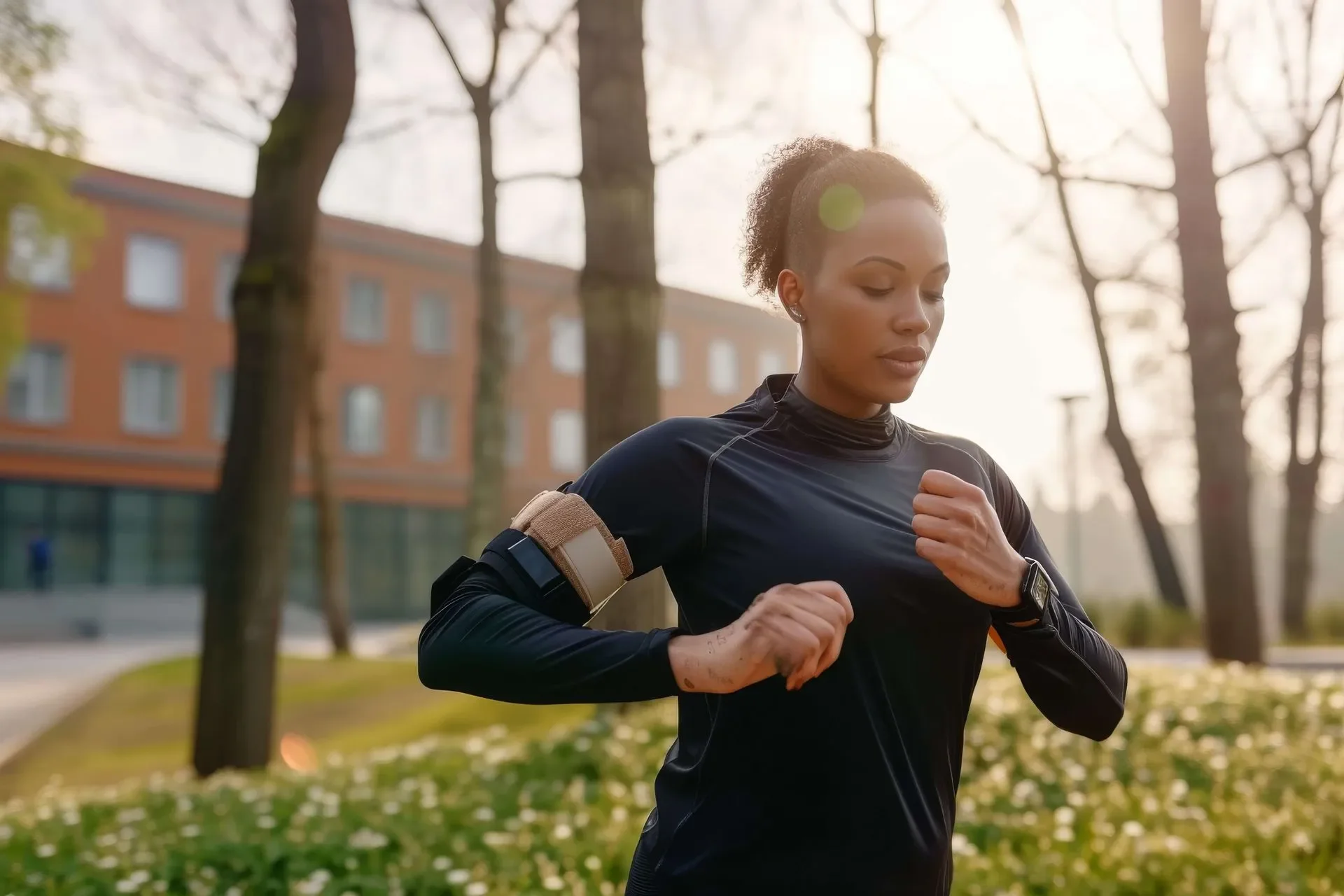
Physical literacy is more than movement — it’s about connection to your body, and the awareness and learning that can bring. Together with colleagues, my research has explored how interoception — the ability to sense and interpret internal bodily signals — links physical literacy to emotional regulation, pain, and mental wellbeing. I also helped lead the development of the Australian Physical Literacy Framework, and continue to publish on how these capacities shape lifelong health and resilience.
In practice: This research underpins a holistic approach to therapy — recognising the body as a vital source of information about stress, emotion, and recovery, and helping clients rebuild trust in their physical and emotional signals as part of healing
-
Fatigue and Readiness
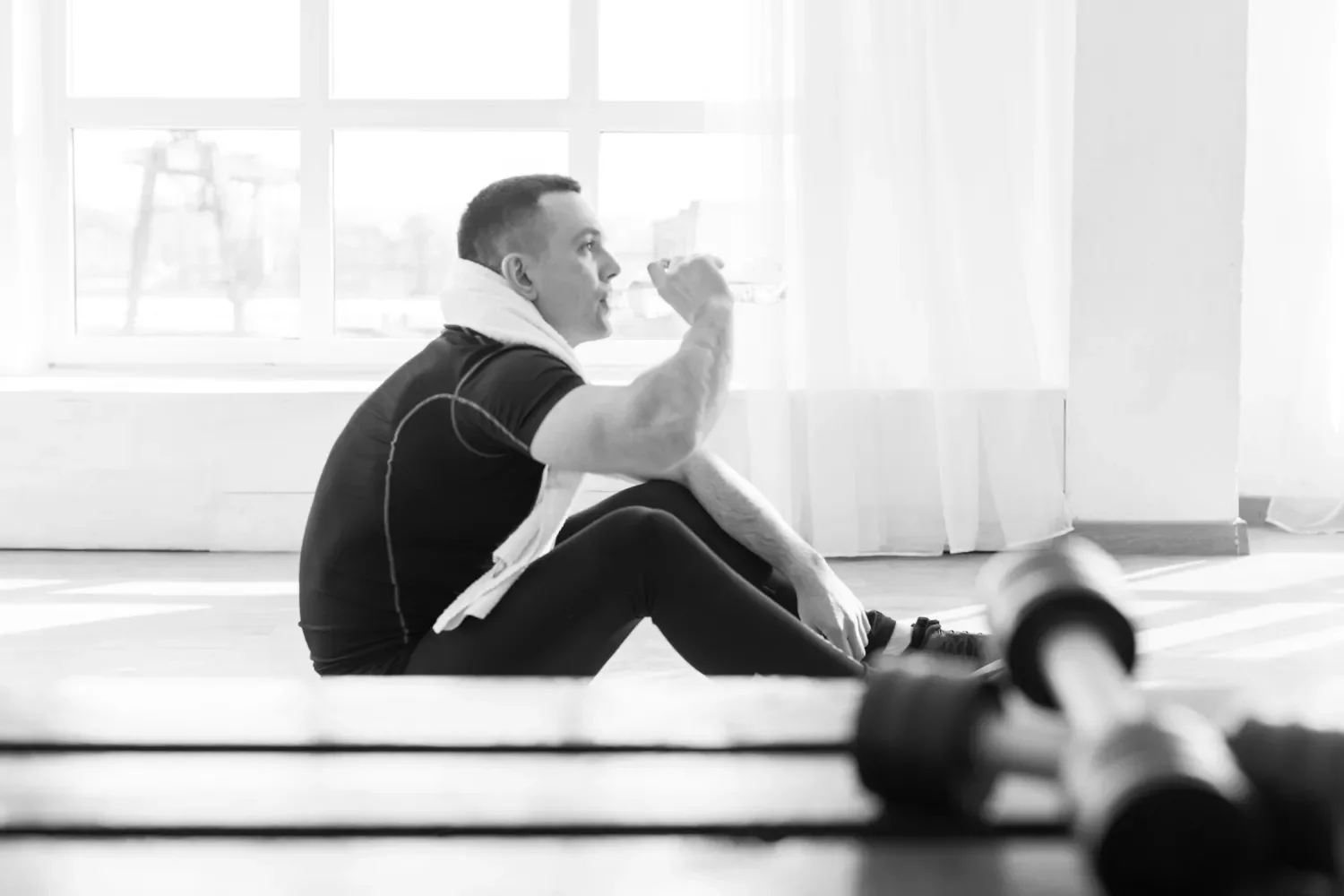
What happens when we’re “running on empty”? Through the Human Performance Research Network with Defence Science Technology Group, I’ve studied how fatigue develops across cognitive, emotional, and physical systems — and how readiness can be tracked and restored. This work has combined physiological monitoring, self-report measures, and behavioural data to understand how stress accumulates, and what recovery truly requires.
We found that small, regular habits — such as reflection, pacing, and micro-recovery — can make a measurable difference to resilience and sustained performance.
In practice: These insights help clients manage burnout, pacing, and recovery — balancing their mental, emotional, and physical energy over time, and rebuilding a sense of clarity, control, and capacity when life has felt depleting.
-

Applied Psychology and Self-Care
Behind every method or model is the human connection that makes psychology work. I’ve written and taught extensively about practitioner development, supervision, and self-care — including the books Being a Sport Psychologist (2016) and Social Psychology in Sport (2023). This body of work explores what it means to practise psychology both effectively and sustainably: how values, reflection, and boundaries protect both the client’s wellbeing and the practitioner’s effectiveness.
It also highlights the importance of ongoing self-awareness and authenticity — staying connected to one’s own humanity while supporting others.
In practice: This focus on reflective, ethical, and sustainable practice shapes how I work: collaboratively, transparently, and with care for the person as a whole. goes here
-

Research Mentoring
With over 100 peer-reviewed papers, 20 book chapters, two major textbooks, and many years of journal editing/reviewing experience, I bring a deep understanding of how to help researchers move from ideas to impact. Having supervised 16 PhD completions and led projects exceeding $8 million in research funding, I understand the full research lifecycle—from proposal to publication, and from early-career uncertainty to academic leadership.
My mentoring approach blends strategic clarity with practical accountability: refining research questions, sharpening writing, and mapping a sustainable career trajectory. Drawing on insights from supervision, research leadership, and publication success (H-index 32; > 4,000 citations), I help you translate your expertise into outputs that count.
Packages available for HDR candidates, early-career academics, and senior professionals.